Follow the shade through the afternoon
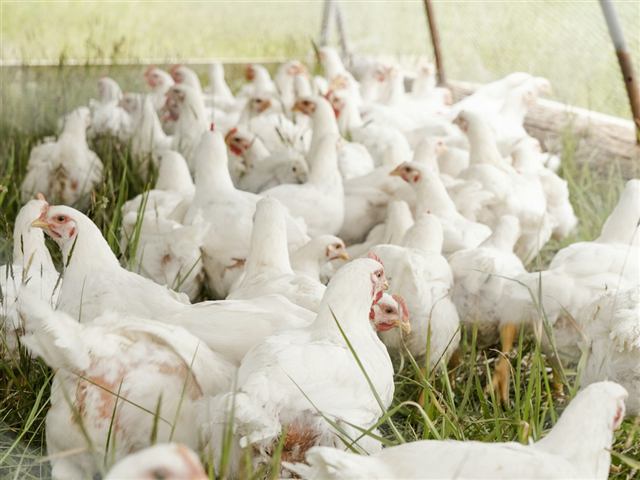
Look at the enclosure in the morning, near midday, and later in the afternoon. Photograph where shade falls inside the area birds can actually use. A tree or shade panel may cast a generous shadow on the lawn while leaving the run exposed at the time you most need coverage.
Mark the observations on a simple plan and repeat them as the season changes. When considering an additional shade structure, check its anchoring, drainage, and compatibility with the enclosure. Keep it clear of necessary air openings and avoid creating low, enclosed pockets merely to obtain a darker patch.
Build a water check that includes failure
Inspect the regular water equipment during the warm part of a normal day. Confirm that it remains accessible and functions after refilling. Plan who will check it if you are working away from home. Assign a specific visit or responsibility rather than assuming the morning fill settles the matter.
Prepare a second usable container and a source of water for a supply interruption. Test placement and use in advance. A spare stored in its packaging is less useful than one already checked for leaks, stability, and compatibility with your flock. Write down where it is and how it should be set up.
Review the enclosure as installed
Examine ventilation with all seasonal covers and accessories in place. Follow the manufacturer's operating directions and local Extension advice. A product photograph rarely represents your exact fence line, roof arrangement, wind exposure, or afternoon sunlight.
If you consider powered cooling equipment, check outdoor electrical suitability and how it will be secured from birds, water, and moving parts. Plan what happens in an outage. Do not treat a plug-in accessory as a substitute for shade, reliable drinking water, or a person who can respond when conditions change.
Set practical decision points
Write a short plan for forecast heat, a missed care visit, water failure, and an unwell bird. Give each event an action and a contact. This avoids trying to invent a complete response while someone is already concerned about the flock.
Discuss urgent warning signs and the appropriate immediate response with your poultry veterinarian. Keep those instructions separate from routine care notes. Do not rely on a social-media temperature threshold as a universal guarantee of safety; the enclosure conditions and the birds' response also matter.
Rehearse coverage before the hottest week
Ask the backup keeper to perform a midday check and report what they actually saw. Useful notes include water function, available shade, enclosure condition, and any unusual behavior. A message saying checked them leaves too much uncertainty about what was inspected.
At the end of a hot spell, review the weak point in the plan. Perhaps a path was too exposed, a refill was difficult, or a cover needed adjustment. Resolve that specific issue while it is easy to remember. Keep the updated instructions ready for the next forecast rather than rebuilding the plan each summer.
Keep it practical
Your checklist
- Photograph usable shade at several times of day.
- Confirm regular and spare water equipment both work.
- Inspect ventilation with summer accessories installed.
- Name the person responsible for daytime checks.
- Keep veterinary instructions for serious heat distress accessible.
- Plan for water interruptions and electrical failures before they happen.
Sources & further reading
- University of Arizona Cooperative Extension: Extreme summer temperatures
- Cooperative Extension: Ventilation in small poultry housing
Sources offer further context; a link is not an endorsement of this publication. This guide is general information and does not replace care from a veterinarian familiar with your animal.
See our editorial policy and commercial disclosure. Please tell us about an error.