Match the sitter to the actual care needs
Explain how many guinea pigs live in the home, their normal routine, and any professional care instructions. Ask the sitter to demonstrate the tasks they will perform rather than relying only on experience with another species. If an animal needs medication or specialized monitoring, confirm that the person can carry out the veterinarian's plan safely. Discuss the timing and length of visits explicitly. Do not assume an automatic feeder or a large supply of food removes the need for direct observation and water checks.
Confirm the timing and length of visits against the complete routine, including cleaning and checking each individual. A sitter should know whether another person will also enter the home and which tasks that person handles. Use one shared completion record to prevent missed or duplicated feeding. Arrange an initial message when the sitter arrives and a clear method for reporting a problem that needs immediate attention. Before travel, check that keys, entry codes, and any building instructions actually work. These logistical details are part of the care plan because the best written animal instructions cannot help a caregiver who cannot gain access.
Label food without creating a new diet
Leave the familiar products, clear measures, and enough supply for the trip plus an unexpected delay. Mark which fresh ingredients are part of the established feeding plan. Guinea pigs need dietary vitamin C; the RSPCA also notes that food freshness matters. A sitter should not substitute rabbit pellets or add supplements on their own. Keep original packaging and instructions available. If a product runs short, leave a contact process for resolving it rather than encouraging an improvised mixture from whatever is available.
Show what normal looks like for each animal
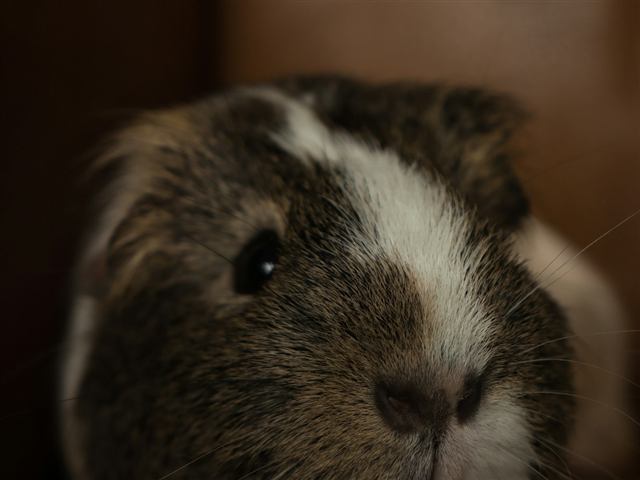
Provide photographs and simple behavior notes so the sitter can distinguish the guinea pigs. Demonstrate how to check that every animal can reach food and water. Explain where they usually rest and how to observe a shy individual without chasing it. Request concrete updates about appetite, water equipment, droppings, and activity. The RSPCA recommends immediate veterinary consultation when eating, drinking, or toilet habits change, so make those escalation instructions prominent instead of burying them at the end of a long document.
Walk through cleaning and enclosure security
Show the sitter which areas need daily attention, where clean bedding is stored, and how used material is disposed of. Keep the cleaning products separate from food and explain their directions. Have the sitter close all doors or panels and check the latches. Review household access, including other pets, visitors, and deliveries. Leave a photograph of the normal habitat arrangement to help restore shelters and resources after cleaning. Avoid introducing unfamiliar equipment immediately before departure unless the sitter has practiced using it.
Make emergency action possible
Leave your regular veterinarian's details, an appropriate emergency contact, the carrier location, and transport arrangements. Ask the clinic what authorization it needs if someone else brings the animal in. Choose a backup person who can make decisions if you cannot be reached, and confirm that they have agreed. Keep a printed care sheet in the home and a digital copy with the sitter. Before leaving, review the complete routine once and correct any step that required guessing.
Keep it practical
Your checklist
- Confirm visit timing and ability to perform required care.
- Label familiar food and measures with current instructions.
- Provide photos and normal behavior notes for every guinea pig.
- Demonstrate cleaning, water checks, and secure latches.
- Leave veterinary contacts, transport plans, and clinic authorization.
- Complete a practice visit and retain a printed care sheet.
Sources & further reading
Sources offer further context; a link is not an endorsement of this publication. This guide is general information and does not replace care from a veterinarian familiar with your animal.
See our editorial policy and commercial disclosure. Please tell us about an error.